
 English
 Español
 Pусский
 Français


smoothness tester
A smoothness tester is an instrument used to measure how even, soft, or friction-free a surface feels when touched or moved across. It is commonly used in industries where the texture and finish of a material are important, such as paper, textiles, films, packaging materials, leather, and coated surfaces. The main purpose of the device is to provide an objective evaluation of surface smoothness, replacing subjective human judgment with consistent and repeatable test results.The basic working principle of a smoothness tester is to apply controlled pressure or airflow to a sample surface and then measure the resistance encountered. Different types of smoothness testers may use different methods, but they all aim to determine how easily a probe, air stream, or contact element interacts with the test material. A smoother surface usually offers less resistance, while a rougher surface creates more friction or obstruction. The measured value is then displayed as a numerical result, which can be used for quality control, research, or product comparison.In the paper industry, smoothness testing is especially important because paper surface quality affects printing performance, ink absorption, and appearance. A smoother paper generally allows for sharper printing and more even ink distribution. In textiles, smoothness can influence comfort, softness, and the visual quality of fabric finishes. For plastic films and coated materials, surface smoothness may affect sealing performance, appearance, and the way the material handles during processing. Because of these wide-ranging applications, smoothness testing is an important part of production inspection and material development.A typical smoothness tester consists of a test head, a sample holder, a pressure system, a measuring unit, and a display or control interface. The sample is placed on a flat platform, and the test head is positioned on the surface. Once the test begins, the instrument measures the surface response under defined conditions. To ensure accuracy, operators usually follow standardized procedures such as preparing the sample properly, controlling temperature and humidity, and using the correct test settings for the material being examined.One major advantage of a smoothness tester is that it produces repeatable results. This helps manufacturers maintain consistent product quality and identify defects early. It also allows different batches or materials to be compared using the same measurement method. In modern production environments, smoothness testers may be connected to digital systems for data recording, statistical analysis, and automated reporting. This improves efficiency and supports better decision-making in manufacturing and laboratory work.In summary, a smoothness tester is a valuable quality inspection tool that measures surface texture and finish in a precise and objective way. It plays an essential role in ensuring product performance, appearance, and consistency across many industries.
نتاج
تصنيف:
-
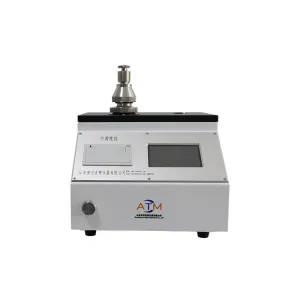
اختبار النعومة التلقائي
تصنيفها: Paper Testing Instrumentsالمشاهدات: 445عدد:وقت الإصدار: 2026-06-04 16:42:32جهاز اختبار النعومة التلقائي AT-QPH هو نسخة مطورة من AT-PH-1، ويعمل وفقًا لمبدأ Bekk لقياس نعومة سطح الورق والورق المقوى. يستخدم مستشعر الضغط لتطبيق الضغط القياسي 100±2 كيلو باسكال، ليحل محل آلية الرافعة والوزن التقليدية. مع مساحة اختبار تبلغ 10 ± 0.05 سم² ونطاق قياس 1-99999 ثانية في ثلاثة نطاقات للتبديل التلقائي، فإنه يتميز بمضخة تفريغ مستوردة خالية من الزيت للتشغيل بدون صيانة وشاشة لمس ملونة مقاس 7 بوصات للاختبار بلمسة واحدة. إنها تتوافق مع معايير GB/T 456، JJG 62، وISO 5627.
أخبار
تصنيف:
لا توجد نتائج بحث!
حالة
تصنيف:
لا توجد نتائج بحث!
فيديو
تصنيف:
لا توجد نتائج بحث!
تحميل
تصنيف:
لا توجد نتائج بحث!
تجنيد
تصنيف:
لا توجد نتائج بحث!
المنتجات الموصى بها
-
NEWS
اختبار النعومة التلقائي
مزيد من المعلومات



 هاتف
هاتف