
 English
 Español
 Pусский
 Français


stiffness tester
A stiffness tester is a laboratory instrument used to measure the resistance of a material to bending, flexing, or deformation. It is widely used in quality control, research, and product development to evaluate the mechanical properties of paper, cardboard, plastic films, fabrics, laminates, and other flexible materials. By determining how much force is required to bend a sample by a specific angle or to a specified deflection, the tester provides valuable data for assessing material performance in real-world applications.The basic principle of a stiffness tester is straightforward. A sample is placed in the testing position and subjected to a controlled force or displacement. The instrument then measures the response of the material, usually expressed as bending stiffness, flexural rigidity, or resistance to deflection. Different testing methods may be used depending on the type of material and the relevant international or industry standards. Some testers apply a cantilever method, while others use a three-point bending approach or a fixed-angle bending system. The selected method influences the results and should match the intended application.Stiffness is an important property because it affects how a material behaves during processing, transport, storage, and end use. For example, paper and cardboard with appropriate stiffness can feed more smoothly through packaging equipment and maintain better stacking strength. In the textile industry, stiffness influences drape, hand feel, and garment performance. For plastic films and laminated materials, stiffness can determine whether a product is suitable for packaging, labeling, or structural support. Accurate stiffness measurement helps manufacturers maintain consistency and ensure that products meet design requirements.Modern stiffness testers are often designed with digital controls and automated data processing. These features improve accuracy, reduce operator error, and make testing more efficient. Many instruments include a touchscreen interface, adjustable test settings, and software for storing and analyzing results. Some models can perform multiple tests quickly, making them suitable for both laboratory and production environments. Repeatability and precision are key advantages, especially when testing large batches of materials.Sample preparation is also an important part of the testing process. The specimen must usually be cut to a standard size and conditioned under controlled temperature and humidity before testing. This ensures that environmental factors do not distort the results. Since stiffness can change with moisture content, temperature, thickness, and material orientation, standardized preparation and testing conditions are essential for reliable comparisons.In summary, a stiffness tester is a valuable tool for evaluating the bending resistance of materials. It supports quality assurance, product development, and material comparison across many industries. With accurate testing and standardized methods, users can better understand material behavior and make informed decisions about manufacturing and application suitability.
نتاج
تصنيف:
-
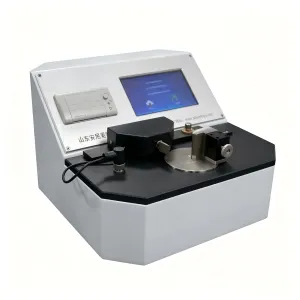
اختبار الصلابة الرقمية
تصنيفها: Paper Testing Instrumentsالمشاهدات: 474عدد:وقت الإصدار: 2026-06-04 16:51:00جهاز اختبار الصلابة الرقمي هو أداة متخصصة لقياس مقاومة الانحناء (صلابة) الورق والورق المقوى، وهو مصمم وفقًا لطريقة الانحناء الثابت المقبولة عالميًا. زاوية اختبار الصلابة هي 15 درجة (قابلة للتعديل من 1 إلى 90 درجة)، مع نطاق قياس من 0 إلى 500 جرام، ودقة العرض 0.001، ودقة 0.1% FS. يتميز بشاشة لمس ملونة مع خيارات عرض متعددة للوحدات بما في ذلك الجرام، وmN، وLB، وOZ، ووقت اختبار قابل للتعديل من 1 إلى 90 ثانية. إنها مناسبة لقياس صلابة الانحناء وصلابة تجعد الورق والورق المقوى. -
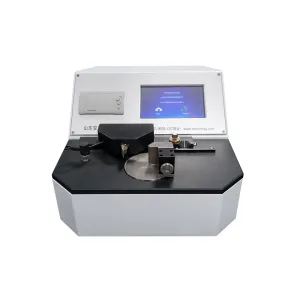
جهاز اختبار صلابة الانحناء الرقمي
تصنيفها: Paper Testing Instrumentsالمشاهدات: 358عدد:وقت الإصدار: 2026-07-10 08:50:01يعد جهاز اختبار صلابة الانحناء الرقمي أداة احترافية لقياس صلابة الانحناء للورق والورق المقوى. إنها مناسبة لتحديد صلابة الانحناء الثابت للأوراق المختلفة، والألواح الورقية، ومواد التعبئة والتغليف. باعتباره رائدًا في اعتماد واجهة الإنسان والآلة ذات العرض المنحني LCD، يسمح هذا الاختبار متعدد الوظائف بضبط زاوية الانحناء بحرية بين 1 درجة و90 درجة، ويغطي الاختبارات القياسية 7.5 درجة و15 درجة بالإضافة إلى اختبار صلابة التجعيد 90 درجة. يمكن تحديد طول الانحناء من 5 إلى 50 ملم في خطوات ثابتة (الإصدار اليدوي) أو قابل للتعديل بشكل لا نهائي من 5 إلى 60 ملم (الإصدار التلقائي)، ويمكن ضبط وقت الاختبار من 3 إلى 35 ثانية. تتميز الأداة بالتصفير التلقائي، وعرض منحنى زاوية القوة في الوقت الحقيقي، وإحصائيات القياس التلقائي، والطباعة. بعد الاختبار، يعود إلى الوضع الأولي بسرعة عالية مع سرعة إرجاع قابلة للتعديل تبلغ 0.55-20 درجة/ثانية. تتوافق جميع معلمات الأداء مع معايير GB/T 23144 وGB 22364-2018، مما يجعلها أداة تكوين قياسية لاختبار صلابة الانحناء في مصانع الورق، وصناعات التعبئة والتغليف، ومعاهد البحوث، ووكالات فحص الجودة.
أخبار
تصنيف:
لا توجد نتائج بحث!
حالة
تصنيف:
لا توجد نتائج بحث!
فيديو
تصنيف:
لا توجد نتائج بحث!
تحميل
تصنيف:
لا توجد نتائج بحث!
تجنيد
تصنيف:
لا توجد نتائج بحث!
المنتجات الموصى بها
-
NEWS
اختبار الصلابة الرقمية
مزيد من المعلومات



 هاتف
هاتف